

m 1809



































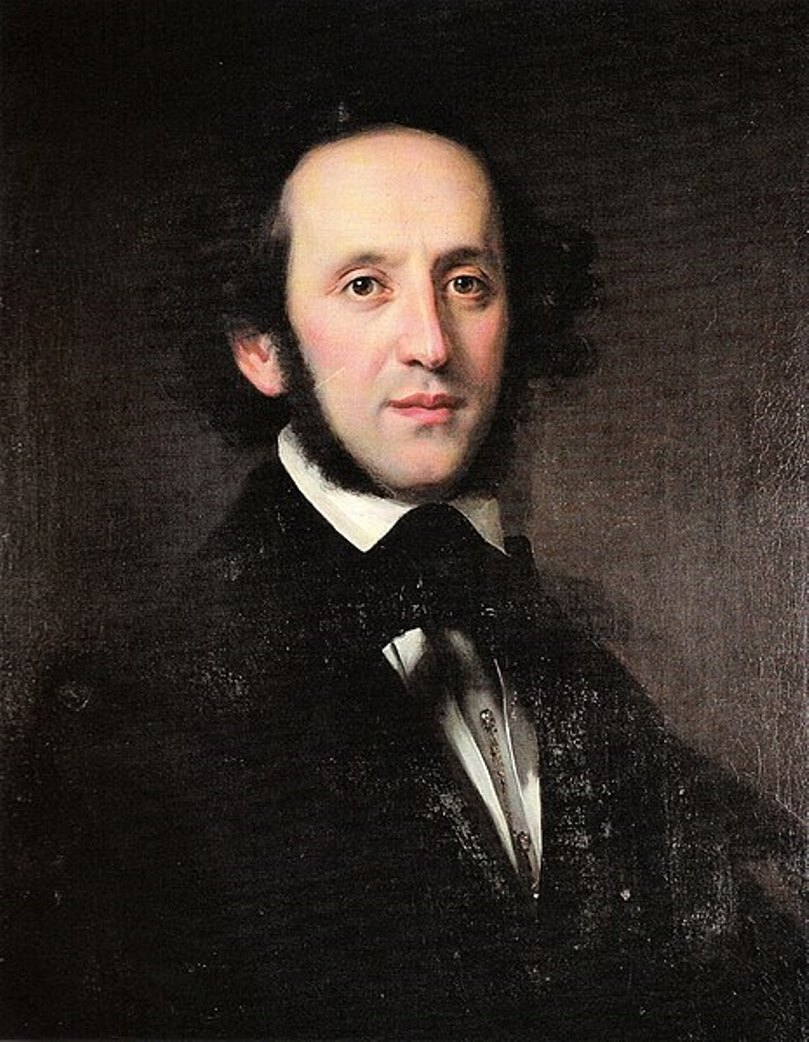
Felix Mendelssohn (full name Jakob Ludwig Felix Mendelssohn Bartholdy) was a German composer, pianist, conductor, teacher, and one of the greatest representatives of Romanticism in music.
Felix was born into a Jewish musical family that later converted to Christianity. He received a versatile education and already as a child wrote many musical compositions, including 5 operas, 11 symphonies for string orchestra, concertos, sonatas and fugues. Mendelssohn's first public performance took place in Berlin in 1818, when he was nine years old. In 1821 Mendelssohn was introduced to J.W. von Goethe, for whom he performed works by J.S. Bach and Mozart and to whom he dedicated his Piano Quartet No. 3 in B minor. A friendship developed between the famous wise poet and the 12-year-old musician.
A few years later, the talented musician began conducting in various orchestras in Europe, and became acquainted with Carl Weber. In England, where Mendelssohn visited very often, by the middle of the 19th century his music had become very popular, even with Queen Victoria he was the most favorite composer. He dedicated his Symphony No. 3 in A minor major (Scottish Symphony) to the Queen.
Among Mendelssohn's most famous works are A Midsummer Night's Dream (1826), the Italian Symphony (1833), a violin concerto (1844), two piano concertos (1831, 1837), the oratorio Elijah (1846) and several chamber pieces. The tradition of playing the "Wedding March" from A Midsummer Night's Dream in wedding processions dates back to its performance at the wedding of a royal princess in 1858, already after Mendelssohn's death.
In 1843, Mendelssohn founded a conservatory in Leipzig, where he taught composition with Schumann. Mendelssohn was one of the first great Romantic composers of the nineteenth century.
![MALLARMÉ, Stéphane (1842-1898), Édouard MANET (1832-1883), [et Edgar Allan POE (1809-1849)]](/assets/image/picture_2932228/bf79b/784c4bc1d6bc30273c33fee59391edc21687420800jpg__fix_374_244.jpeg)
![MALLARMÉ, Stéphane (1842-1898), Édouard MANET (1832-1883), [et Edgar Allan POE (1809-1849)]](https://veryimportantlot.com/assets/image/picture_2932228/bf79b/784c4bc1d6bc30273c33fee59391edc21687420800jpg__fix_374_244.jpeg)

Édouard Manet, a French modernist painter born in 1832, was one of the pioneering artists of the 19th century who ventured into painting modern life, marking a significant transition from Realism to Impressionism. His notable works, such as "The Luncheon on the Grass" and "Olympia," both created in the early 1860s, were radical for their time and sparked controversy for their unconventional subject matter and depiction of modern life. These pieces, among others, have been recognized as milestones in the development of modern art.
Manet's background was one of privilege and connection, coming from an upper-class family with strong political ties. Despite expectations for him to pursue a career in law or the navy, Manet was drawn to painting from a young age, influenced by his uncle and the works of Old Masters like Diego Velázquez and Francisco José de Goya during his visits to the Louvre. His early rejection from the naval academy led him to fully commit to an art education under Thomas Couture, where he developed his unique style characterized by loose brush strokes and a focus on contemporary subjects over traditional historical, religious, or mythological themes.
Throughout his career, Manet's work was often met with criticism for its apparent disregard for traditional painting techniques and its bold choice of subject matter. Despite this, his exhibitions, including a self-organized one across from the Exposition Universelle in 1867, gradually gained the recognition and support of fellow artists and critics. His relationships with contemporaries like Émile Zola, Edgar Degas, and Claude Monet were crucial in his development and in establishing his legacy as a forerunner to the Impressionist movement, despite never formally joining their exhibitions.
Manet's influence on modern art cannot be overstated. His works are housed in prestigious museums worldwide, including the Musée d'Orsay in Paris, which holds "The Luncheon on the Grass," a testament to his enduring impact on the art world. Manet's ability to capture the essence of modern life, combined with his innovative techniques, positioned him as a central figure in the transition towards modern artistic expressions.
For collectors and experts in art and antiques, Manet's work represents not just the innovation of the 19th century but also the enduring appeal of an artist who dared to challenge the status quo. His paintings are not just artifacts of their time but also serve as a bridge between traditional and modern art, offering insight into the evolution of artistic expression.
To stay informed about new product sales, auction events, and updates related to Édouard Manet, signing up for updates can be a valuable resource for enthusiasts looking to deepen their understanding of this pivotal artist's contributions to the world of art.
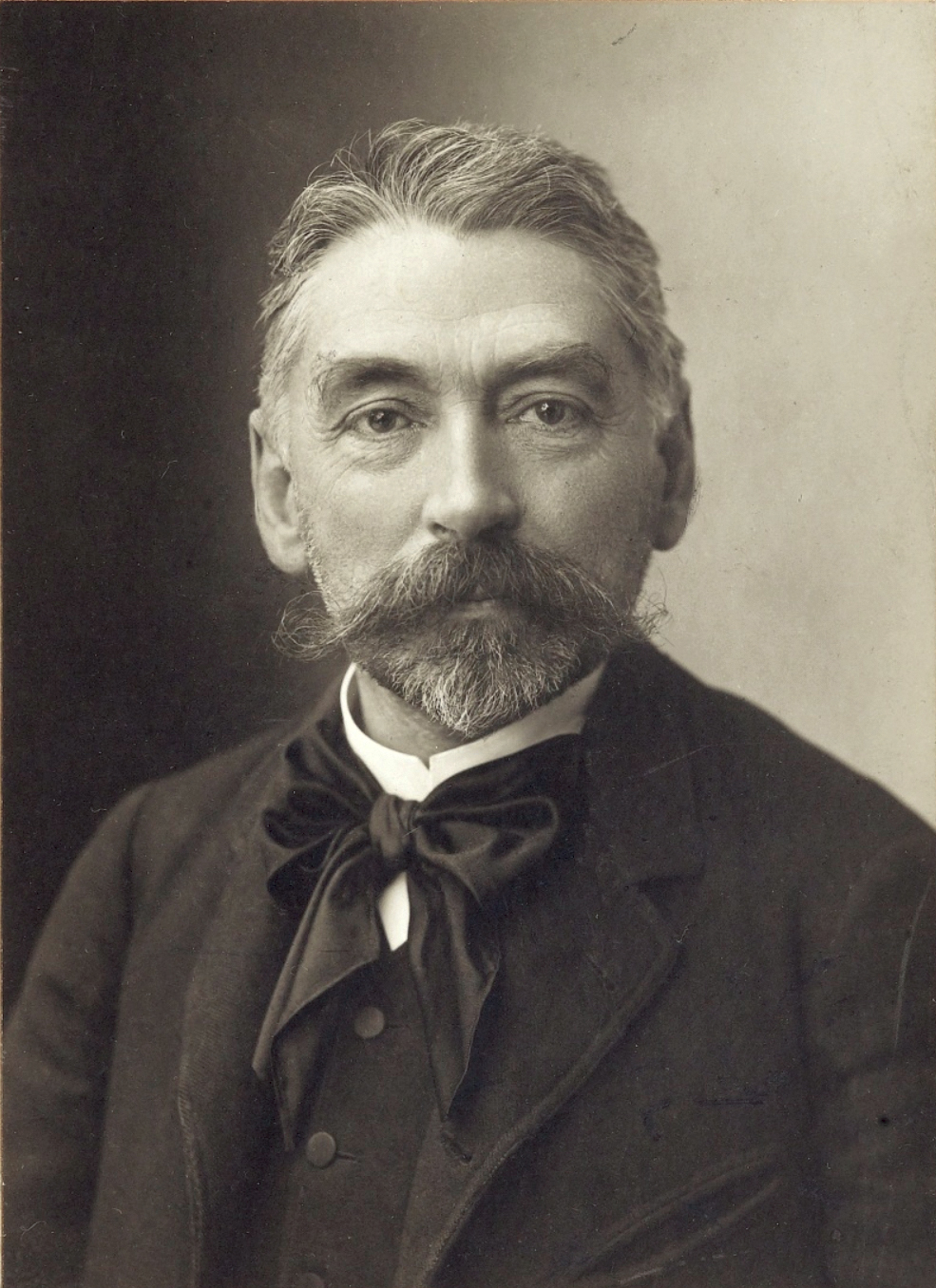
Stéphane Mallarmé was a French poet and critic. He was a major French symbolist poet, and his work anticipated and inspired several revolutionary artistic schools of the early 20th century, such as Cubism, Futurism, Dadaism, and Surrealism.
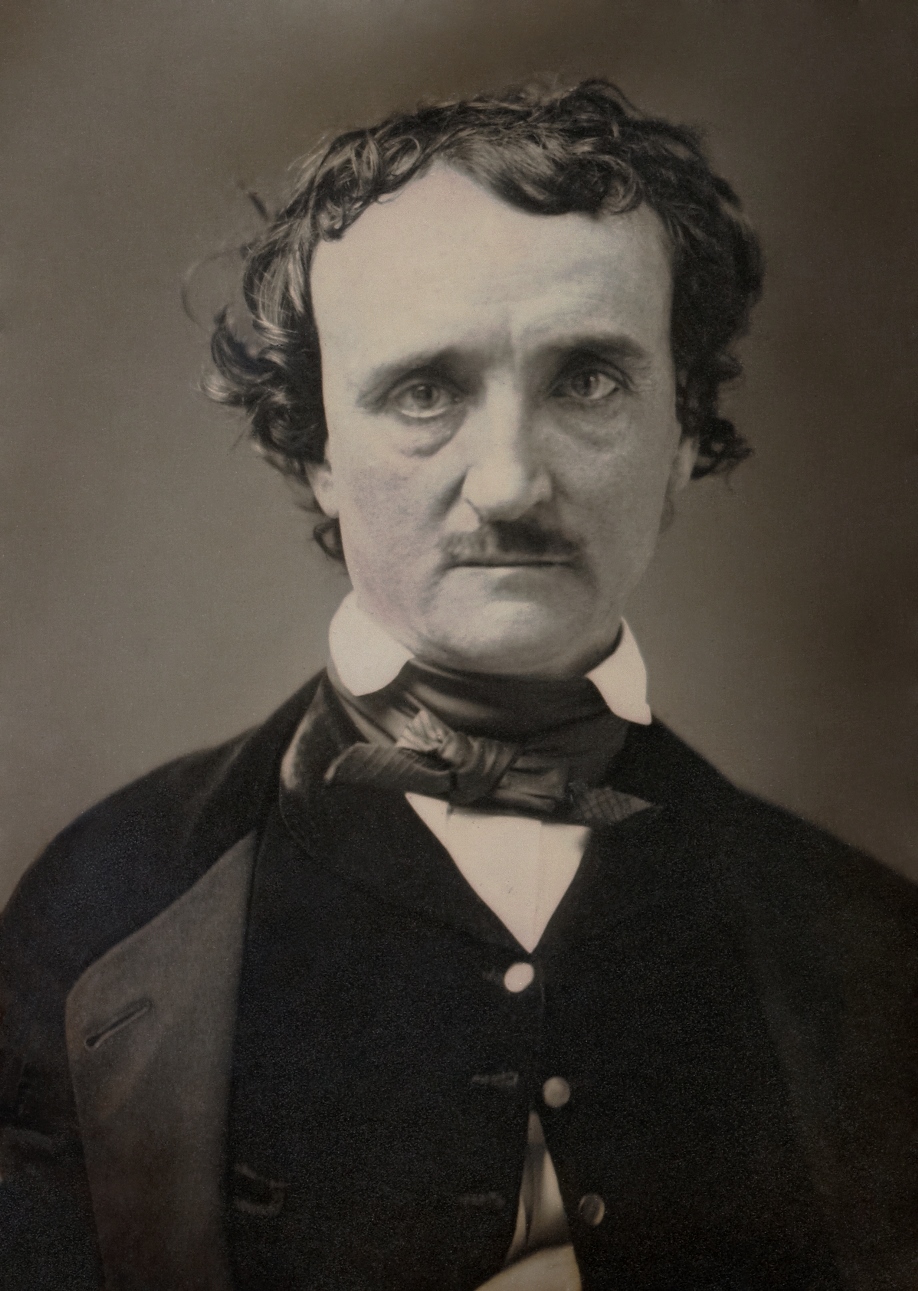
Edgar Allan Poe was an American writer and poet, editor and critic who created a form of classical detective fiction in an atmosphere of mystery and horror.
In prose, Allan Poe wrote mostly short stories. His novella The Murders in the Rue Morgue (1841) initiated the modern detective story, and his poem The Raven (1845) is among the most famous in American literature. Romanticism of the first third of the 19th century was shrouded in a fog of Satanism and the occult, which obviously influenced the work of Poe, whose personality was subtle, dualistic, and multifaceted.
Most of Poe's best works are permeated with horror and sorrow, but in life the poet was a pleasant conversationalist with a great sense of humor and a talented orator. All this, coupled with the genius of the writer-narrator provided him with a prominent place among the world-famous writers. Edgar Allan Poe revolutionized the horror genre. He was one of the first to bring deep, visceral, psychological horror into literature. In his stories, the true monster often turned out to be the capacity for evil that lurks within every human being.

Felix Mendelssohn (full name Jakob Ludwig Felix Mendelssohn Bartholdy) was a German composer, pianist, conductor, teacher, and one of the greatest representatives of Romanticism in music.
Felix was born into a Jewish musical family that later converted to Christianity. He received a versatile education and already as a child wrote many musical compositions, including 5 operas, 11 symphonies for string orchestra, concertos, sonatas and fugues. Mendelssohn's first public performance took place in Berlin in 1818, when he was nine years old. In 1821 Mendelssohn was introduced to J.W. von Goethe, for whom he performed works by J.S. Bach and Mozart and to whom he dedicated his Piano Quartet No. 3 in B minor. A friendship developed between the famous wise poet and the 12-year-old musician.
A few years later, the talented musician began conducting in various orchestras in Europe, and became acquainted with Carl Weber. In England, where Mendelssohn visited very often, by the middle of the 19th century his music had become very popular, even with Queen Victoria he was the most favorite composer. He dedicated his Symphony No. 3 in A minor major (Scottish Symphony) to the Queen.
Among Mendelssohn's most famous works are A Midsummer Night's Dream (1826), the Italian Symphony (1833), a violin concerto (1844), two piano concertos (1831, 1837), the oratorio Elijah (1846) and several chamber pieces. The tradition of playing the "Wedding March" from A Midsummer Night's Dream in wedding processions dates back to its performance at the wedding of a royal princess in 1858, already after Mendelssohn's death.
In 1843, Mendelssohn founded a conservatory in Leipzig, where he taught composition with Schumann. Mendelssohn was one of the first great Romantic composers of the nineteenth century.
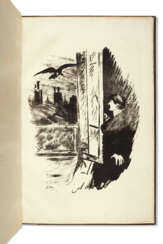

Édouard Manet, a French modernist painter born in 1832, was one of the pioneering artists of the 19th century who ventured into painting modern life, marking a significant transition from Realism to Impressionism. His notable works, such as "The Luncheon on the Grass" and "Olympia," both created in the early 1860s, were radical for their time and sparked controversy for their unconventional subject matter and depiction of modern life. These pieces, among others, have been recognized as milestones in the development of modern art.
Manet's background was one of privilege and connection, coming from an upper-class family with strong political ties. Despite expectations for him to pursue a career in law or the navy, Manet was drawn to painting from a young age, influenced by his uncle and the works of Old Masters like Diego Velázquez and Francisco José de Goya during his visits to the Louvre. His early rejection from the naval academy led him to fully commit to an art education under Thomas Couture, where he developed his unique style characterized by loose brush strokes and a focus on contemporary subjects over traditional historical, religious, or mythological themes.
Throughout his career, Manet's work was often met with criticism for its apparent disregard for traditional painting techniques and its bold choice of subject matter. Despite this, his exhibitions, including a self-organized one across from the Exposition Universelle in 1867, gradually gained the recognition and support of fellow artists and critics. His relationships with contemporaries like Émile Zola, Edgar Degas, and Claude Monet were crucial in his development and in establishing his legacy as a forerunner to the Impressionist movement, despite never formally joining their exhibitions.
Manet's influence on modern art cannot be overstated. His works are housed in prestigious museums worldwide, including the Musée d'Orsay in Paris, which holds "The Luncheon on the Grass," a testament to his enduring impact on the art world. Manet's ability to capture the essence of modern life, combined with his innovative techniques, positioned him as a central figure in the transition towards modern artistic expressions.
For collectors and experts in art and antiques, Manet's work represents not just the innovation of the 19th century but also the enduring appeal of an artist who dared to challenge the status quo. His paintings are not just artifacts of their time but also serve as a bridge between traditional and modern art, offering insight into the evolution of artistic expression.
To stay informed about new product sales, auction events, and updates related to Édouard Manet, signing up for updates can be a valuable resource for enthusiasts looking to deepen their understanding of this pivotal artist's contributions to the world of art.
Stéphane Mallarmé was a French poet and critic. He was a major French symbolist poet, and his work anticipated and inspired several revolutionary artistic schools of the early 20th century, such as Cubism, Futurism, Dadaism, and Surrealism.
Edgar Allan Poe was an American writer and poet, editor and critic who created a form of classical detective fiction in an atmosphere of mystery and horror.
In prose, Allan Poe wrote mostly short stories. His novella The Murders in the Rue Morgue (1841) initiated the modern detective story, and his poem The Raven (1845) is among the most famous in American literature. Romanticism of the first third of the 19th century was shrouded in a fog of Satanism and the occult, which obviously influenced the work of Poe, whose personality was subtle, dualistic, and multifaceted.
Most of Poe's best works are permeated with horror and sorrow, but in life the poet was a pleasant conversationalist with a great sense of humor and a talented orator. All this, coupled with the genius of the writer-narrator provided him with a prominent place among the world-famous writers. Edgar Allan Poe revolutionized the horror genre. He was one of the first to bring deep, visceral, psychological horror into literature. In his stories, the true monster often turned out to be the capacity for evil that lurks within every human being.
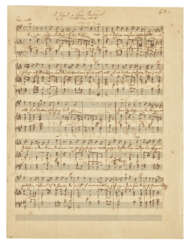

Felix Mendelssohn (full name Jakob Ludwig Felix Mendelssohn Bartholdy) was a German composer, pianist, conductor, teacher, and one of the greatest representatives of Romanticism in music.
Felix was born into a Jewish musical family that later converted to Christianity. He received a versatile education and already as a child wrote many musical compositions, including 5 operas, 11 symphonies for string orchestra, concertos, sonatas and fugues. Mendelssohn's first public performance took place in Berlin in 1818, when he was nine years old. In 1821 Mendelssohn was introduced to J.W. von Goethe, for whom he performed works by J.S. Bach and Mozart and to whom he dedicated his Piano Quartet No. 3 in B minor. A friendship developed between the famous wise poet and the 12-year-old musician.
A few years later, the talented musician began conducting in various orchestras in Europe, and became acquainted with Carl Weber. In England, where Mendelssohn visited very often, by the middle of the 19th century his music had become very popular, even with Queen Victoria he was the most favorite composer. He dedicated his Symphony No. 3 in A minor major (Scottish Symphony) to the Queen.
Among Mendelssohn's most famous works are A Midsummer Night's Dream (1826), the Italian Symphony (1833), a violin concerto (1844), two piano concertos (1831, 1837), the oratorio Elijah (1846) and several chamber pieces. The tradition of playing the "Wedding March" from A Midsummer Night's Dream in wedding processions dates back to its performance at the wedding of a royal princess in 1858, already after Mendelssohn's death.
In 1843, Mendelssohn founded a conservatory in Leipzig, where he taught composition with Schumann. Mendelssohn was one of the first great Romantic composers of the nineteenth century.


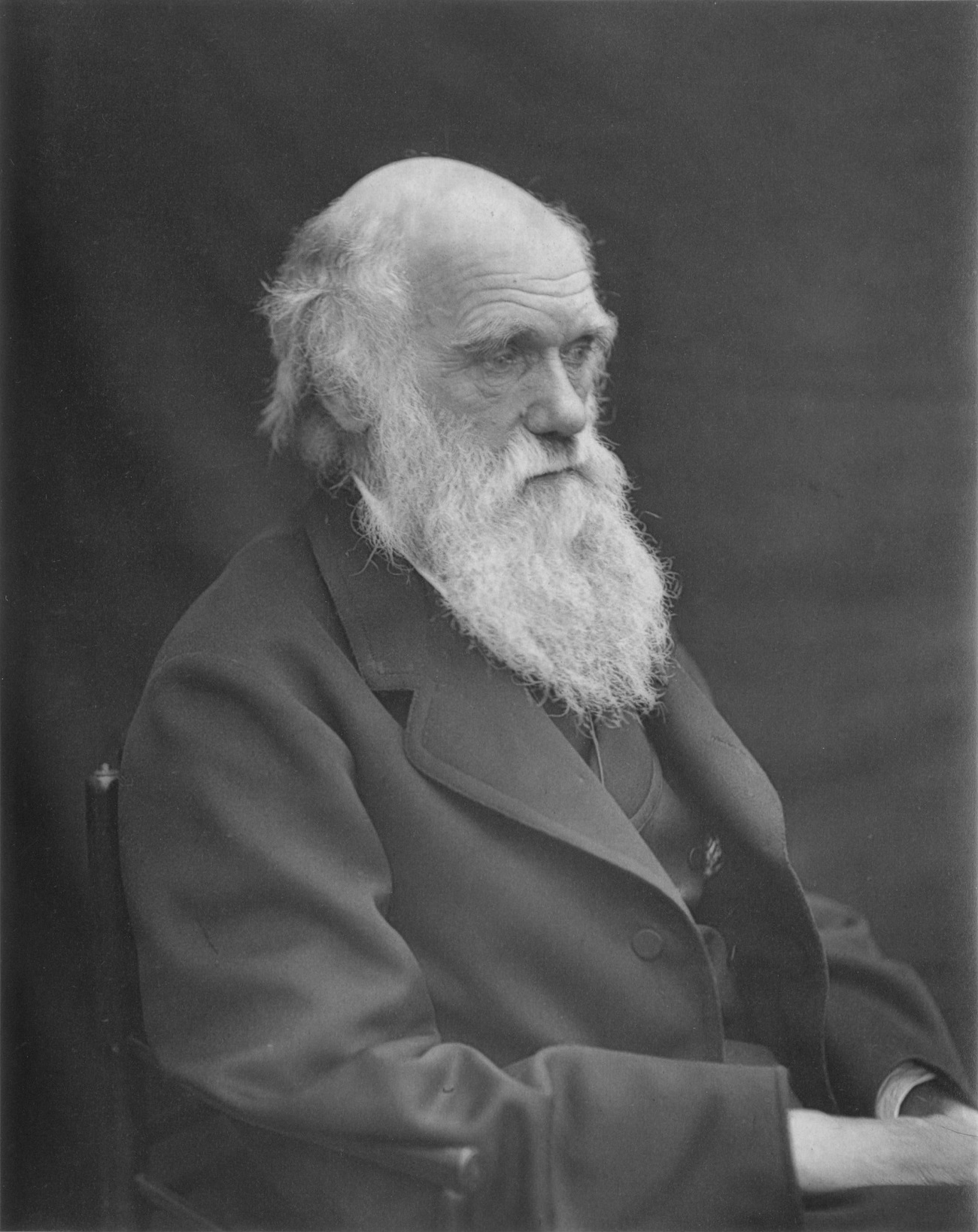
Charles Robert Darwin was an English naturalist, geologist, and biologist, widely known for contributing to the understanding of evolutionary biology. His proposition that all species of life have descended from a common ancestor is now generally accepted and considered a fundamental concept in science. In a joint publication with Alfred Russel Wallace, he introduced his scientific theory that this branching pattern of evolution resulted from a process that he called natural selection, in which the struggle for existence has a similar effect to the artificial selection involved in selective breeding. Darwin has been described as one of the most influential figures in human history, and he was honoured by burial in Westminster Abbey.
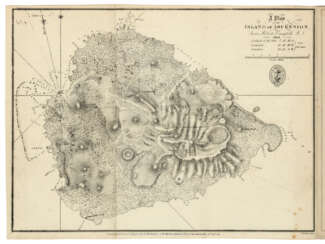

Charles Robert Darwin was an English naturalist, geologist, and biologist, widely known for contributing to the understanding of evolutionary biology. His proposition that all species of life have descended from a common ancestor is now generally accepted and considered a fundamental concept in science. In a joint publication with Alfred Russel Wallace, he introduced his scientific theory that this branching pattern of evolution resulted from a process that he called natural selection, in which the struggle for existence has a similar effect to the artificial selection involved in selective breeding. Darwin has been described as one of the most influential figures in human history, and he was honoured by burial in Westminster Abbey.








Charles Robert Darwin was an English naturalist, geologist, and biologist, widely known for contributing to the understanding of evolutionary biology. His proposition that all species of life have descended from a common ancestor is now generally accepted and considered a fundamental concept in science. In a joint publication with Alfred Russel Wallace, he introduced his scientific theory that this branching pattern of evolution resulted from a process that he called natural selection, in which the struggle for existence has a similar effect to the artificial selection involved in selective breeding. Darwin has been described as one of the most influential figures in human history, and he was honoured by burial in Westminster Abbey.
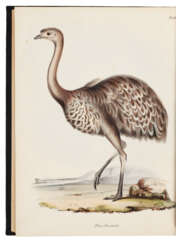

Charles Robert Darwin was an English naturalist, geologist, and biologist, widely known for contributing to the understanding of evolutionary biology. His proposition that all species of life have descended from a common ancestor is now generally accepted and considered a fundamental concept in science. In a joint publication with Alfred Russel Wallace, he introduced his scientific theory that this branching pattern of evolution resulted from a process that he called natural selection, in which the struggle for existence has a similar effect to the artificial selection involved in selective breeding. Darwin has been described as one of the most influential figures in human history, and he was honoured by burial in Westminster Abbey.
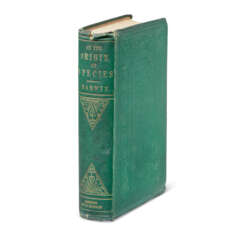

Charles Robert Darwin was an English naturalist, geologist, and biologist, widely known for contributing to the understanding of evolutionary biology. His proposition that all species of life have descended from a common ancestor is now generally accepted and considered a fundamental concept in science. In a joint publication with Alfred Russel Wallace, he introduced his scientific theory that this branching pattern of evolution resulted from a process that he called natural selection, in which the struggle for existence has a similar effect to the artificial selection involved in selective breeding. Darwin has been described as one of the most influential figures in human history, and he was honoured by burial in Westminster Abbey.
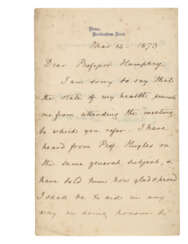

Charles Robert Darwin was an English naturalist, geologist, and biologist, widely known for contributing to the understanding of evolutionary biology. His proposition that all species of life have descended from a common ancestor is now generally accepted and considered a fundamental concept in science. In a joint publication with Alfred Russel Wallace, he introduced his scientific theory that this branching pattern of evolution resulted from a process that he called natural selection, in which the struggle for existence has a similar effect to the artificial selection involved in selective breeding. Darwin has been described as one of the most influential figures in human history, and he was honoured by burial in Westminster Abbey.
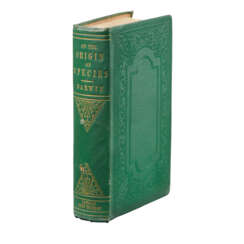

Charles Robert Darwin was an English naturalist, geologist, and biologist, widely known for contributing to the understanding of evolutionary biology. His proposition that all species of life have descended from a common ancestor is now generally accepted and considered a fundamental concept in science. In a joint publication with Alfred Russel Wallace, he introduced his scientific theory that this branching pattern of evolution resulted from a process that he called natural selection, in which the struggle for existence has a similar effect to the artificial selection involved in selective breeding. Darwin has been described as one of the most influential figures in human history, and he was honoured by burial in Westminster Abbey.


Charles Robert Darwin was an English naturalist, geologist, and biologist, widely known for contributing to the understanding of evolutionary biology. His proposition that all species of life have descended from a common ancestor is now generally accepted and considered a fundamental concept in science. In a joint publication with Alfred Russel Wallace, he introduced his scientific theory that this branching pattern of evolution resulted from a process that he called natural selection, in which the struggle for existence has a similar effect to the artificial selection involved in selective breeding. Darwin has been described as one of the most influential figures in human history, and he was honoured by burial in Westminster Abbey.
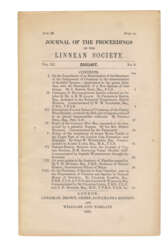

Charles Robert Darwin was an English naturalist, geologist, and biologist, widely known for contributing to the understanding of evolutionary biology. His proposition that all species of life have descended from a common ancestor is now generally accepted and considered a fundamental concept in science. In a joint publication with Alfred Russel Wallace, he introduced his scientific theory that this branching pattern of evolution resulted from a process that he called natural selection, in which the struggle for existence has a similar effect to the artificial selection involved in selective breeding. Darwin has been described as one of the most influential figures in human history, and he was honoured by burial in Westminster Abbey.


Charles Robert Darwin was an English naturalist, geologist, and biologist, widely known for contributing to the understanding of evolutionary biology. His proposition that all species of life have descended from a common ancestor is now generally accepted and considered a fundamental concept in science. In a joint publication with Alfred Russel Wallace, he introduced his scientific theory that this branching pattern of evolution resulted from a process that he called natural selection, in which the struggle for existence has a similar effect to the artificial selection involved in selective breeding. Darwin has been described as one of the most influential figures in human history, and he was honoured by burial in Westminster Abbey.